What the study measured
Researchers analyzed a large wardrobe survey covering China, Germany, Japan, the UK and the USA. They examined garment age, wears and number of users rather than treating these as interchangeable measures. A coat owned for five years but worn twice is not the same use story as a frequently worn shirt.
The study reported associations across garment characteristics, users and clothing practices. Survey answers and wardrobe snapshots cannot prove that one habit caused longer life, and the results do not predict the lifespan of an individual purchase.
Fit and function come before price
A garment only has a chance of being worn often when it fits the activities, climate and comfort needs of its owner. Before buying, test movement, closures and layering room. Expensive fabric is not a substitute for a shape you reach for repeatedly.
Look closely at stress points: seams that pull, unstable buttons, loose lining, fragile fabric around a bag strap. Those observations are practical quality checks, not a guarantee of years of service.
Care should match the garment
Read the label, then choose a care routine appropriate to fiber, finish, soil and hygiene needs. Airing or spot cleaning can sometimes replace a full wash, but exercise clothes, stains and health circumstances may require prompt laundering. There is no universal 'wash less' rule.
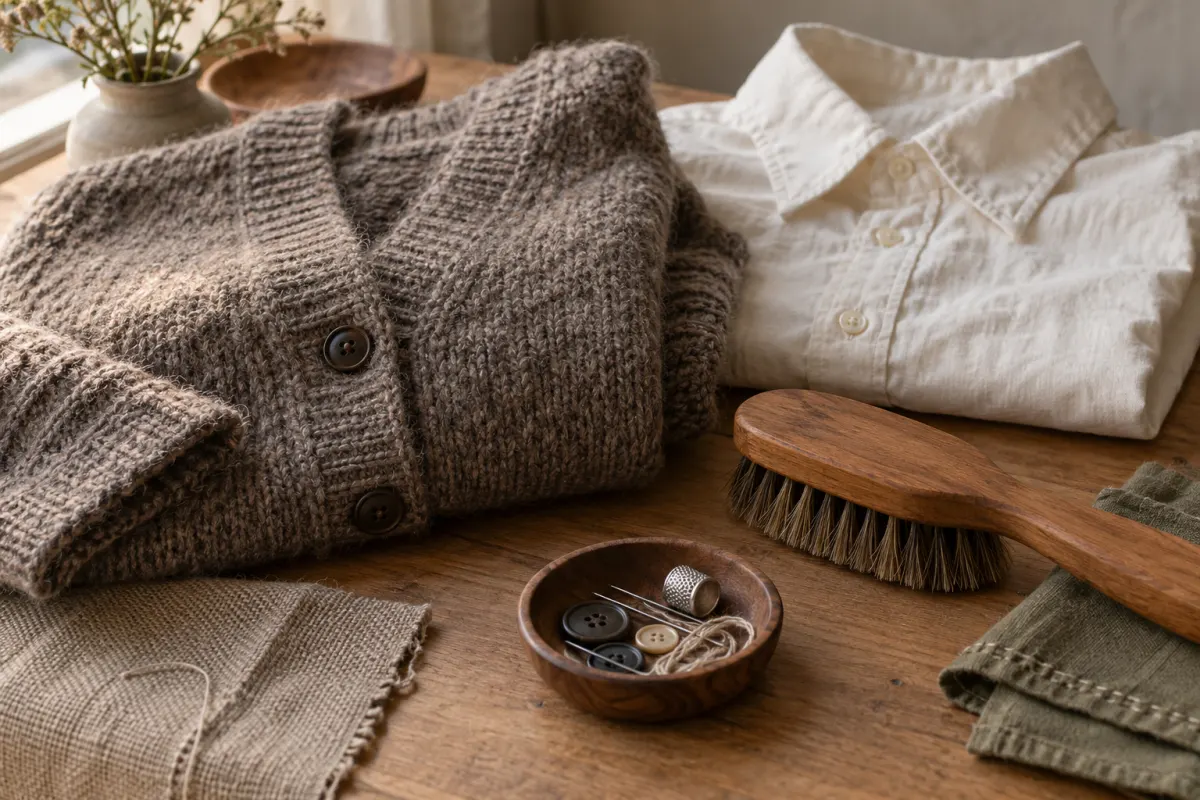
Store knits without stretching shoulders, dry garments fully before putting them away, and mend small damage before it spreads. Repair is most useful when the garment still fits and has a place in your week.
Measure success by use
A small wardrobe log can reveal whether an item is becoming a regular choice. Cost per wear can be a useful personal calculation, but also note why you avoided a piece: discomfort, care burden, poor fit or lack of combinations. That information is more actionable than a single headline number from a survey.